Plant Haven Nursery
Lychees
Lychees
Couldn't load pickup availability
All Lychee trees are supplied in 165mm pots. Fruit trees on this page are available for pre-order only and pickup from our nursery in Tamaree unless you have received a quote for and paid for delivery. We offer a 5% discount on all pre-orders of 10-19 fruit trees and a 10% discount on orders of 20 fruit trees or more. This can be a combination of any variety of our pre-order fruit trees. The discount is calculated in the checkout.
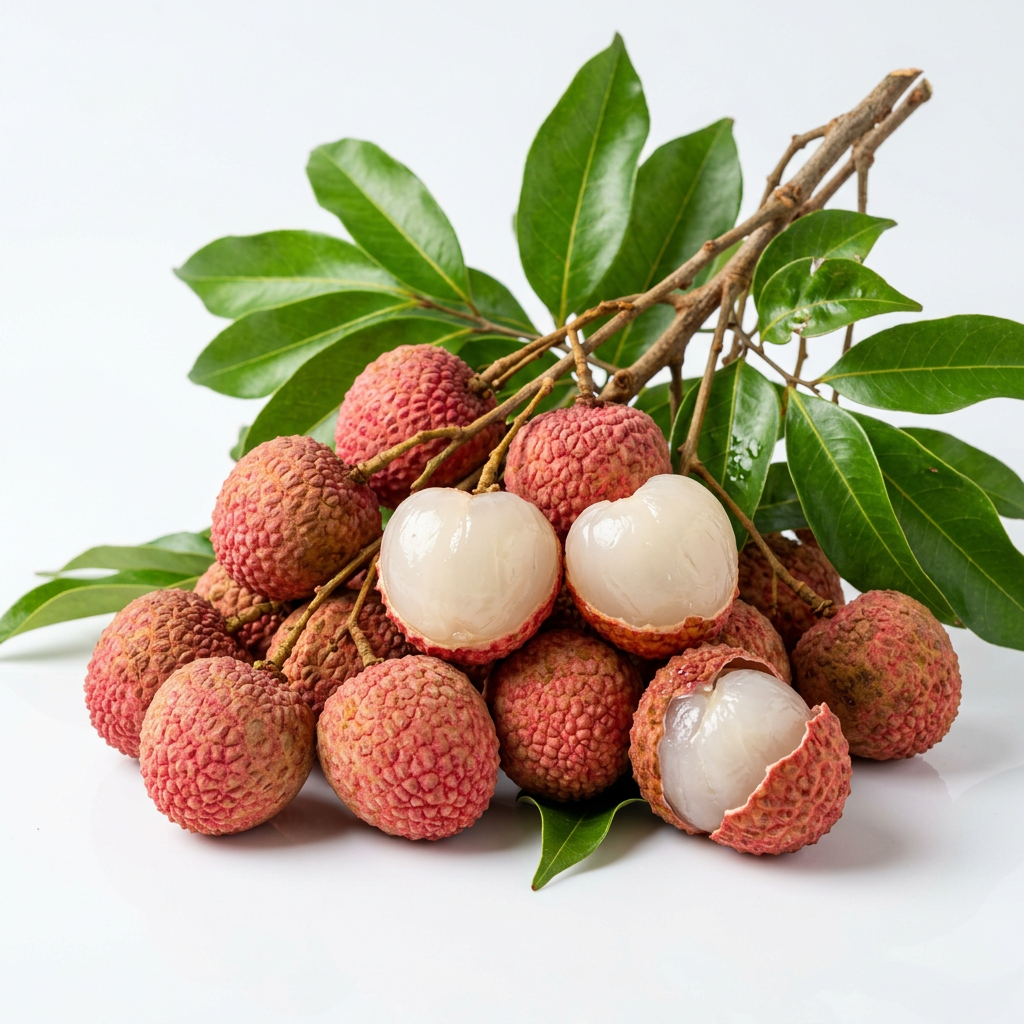
Fresh lychees from your own tree are a real treat, sweet, juicy and fragrant with a delicate floral flavour. This range of five varieties lets you spread your harvest across the whole season, from early Tai So through to late Wai Chee. They are attractive evergreen trees with glossy foliage, well suited to warm gardens. Lychees are self-fertile, but planting more than one variety can improve fruit set. Choose your variety from the drop-down menu.
The Fruit
Lychee ‘Sue Lin San’ (Litchi chinensis)
A premium variety with medium to large fruit and a smooth, bright red skin. Inside is sweet, juicy, translucent flesh with a fragrant, aromatic flavour. What sets it apart: a small seed, which means more flesh in every fruit. Also sold as Lin San Sue.
Lychee ‘Baitaying’ (Litchi chinensis)
A vigorous, productive variety with bright red fruit and sweet, juicy white flesh. What sets it apart: the fruit stores well and keeps longer than many other varieties, and the tree has a neat, upright habit. An early-season variety.
Lychee ‘Kwai Mai Pink’ (Litchi chinensis)
Also known as Bosworth 3 (B3), and the most widely grown lychee in Australia. The fruit is round, with a pink-red skin and sweet, juicy flesh with a hint of spice. What sets it apart: reliable, heavy crops year after year, and it is one of the more cold-hardy varieties. A mid-season variety.
Lychee ‘Tai So’ (Litchi chinensis)
A classic Australian variety with large, egg-shaped fruit that ripens to a lovely pink-red. The flesh is sweet and juicy, often with a very small seed. What sets it apart: it is one of the first to ripen, giving you lychees at the very start of the season. The tree is vigorous with an open dome shape and needs wind protection when young.
Lychee ‘Wai Chee’ (Litchi chinensis)
A late-season variety with dull red, slightly thick-skinned fruit that has sweet, juicy flesh and mostly very small seeds. What sets it apart: it is the last to ripen, extending your harvest into late summer. A compact, slow-growing tree that crops heavily and regularly in subtropical climates.
Climate
Lychees thrive in subtropical and tropical climates, with a cool, dry winter to encourage flowering and a warm, humid summer for fruit growth. Young trees are frost tender and need protection until established. In cooler areas, choose the warmest, most sheltered position you have.
Position
Plant in full sun to part shade, in a spot sheltered from strong winds. Young trees can be sensitive to hot afternoon sun, so a little shade while establishing helps. Protect the fruit from birds and bats with netting as it ripens.
Soil
Lychees prefer deep, free-draining soil enriched with plenty of compost or well-rotted manure, with a slightly acidic pH of around 5.5 to 6.5. Avoid heavy clay or low spots where water sits. Mound the planting area if drainage is poor.
Height at Maturity
Approximately 4 to 5 metres if left unpruned. Prune lightly after harvest to keep the tree at a manageable 2.5 to 3.5 metres for easy picking and netting. Lychees can also be grown in large pots.
Watering Required
Lychees have shallow roots, so water regularly while establishing and keep the soil evenly moist through flowering and fruit development. Consistent watering also helps prevent fruit splitting. Reduce watering in winter to encourage flowering. Mulch the root zone well and keep mulch clear of the trunk.
Harvest Time
Trees generally begin fruiting around 3 to 5 years after planting, with crops increasing as the tree matures. Typical harvest windows in southern Queensland and northern New South Wales, from earliest to latest:
- Tai So (early): late November to December
- Baitaying (early): December to January
- Sue Lin San (early to mid): December to January
- Kwai Mai Pink (mid): December to January
- Wai Chee (late): January to February
Share